What Changed After 38 Years Sober: Linda’s First Psychedelic Experience
 Artem Smirnov
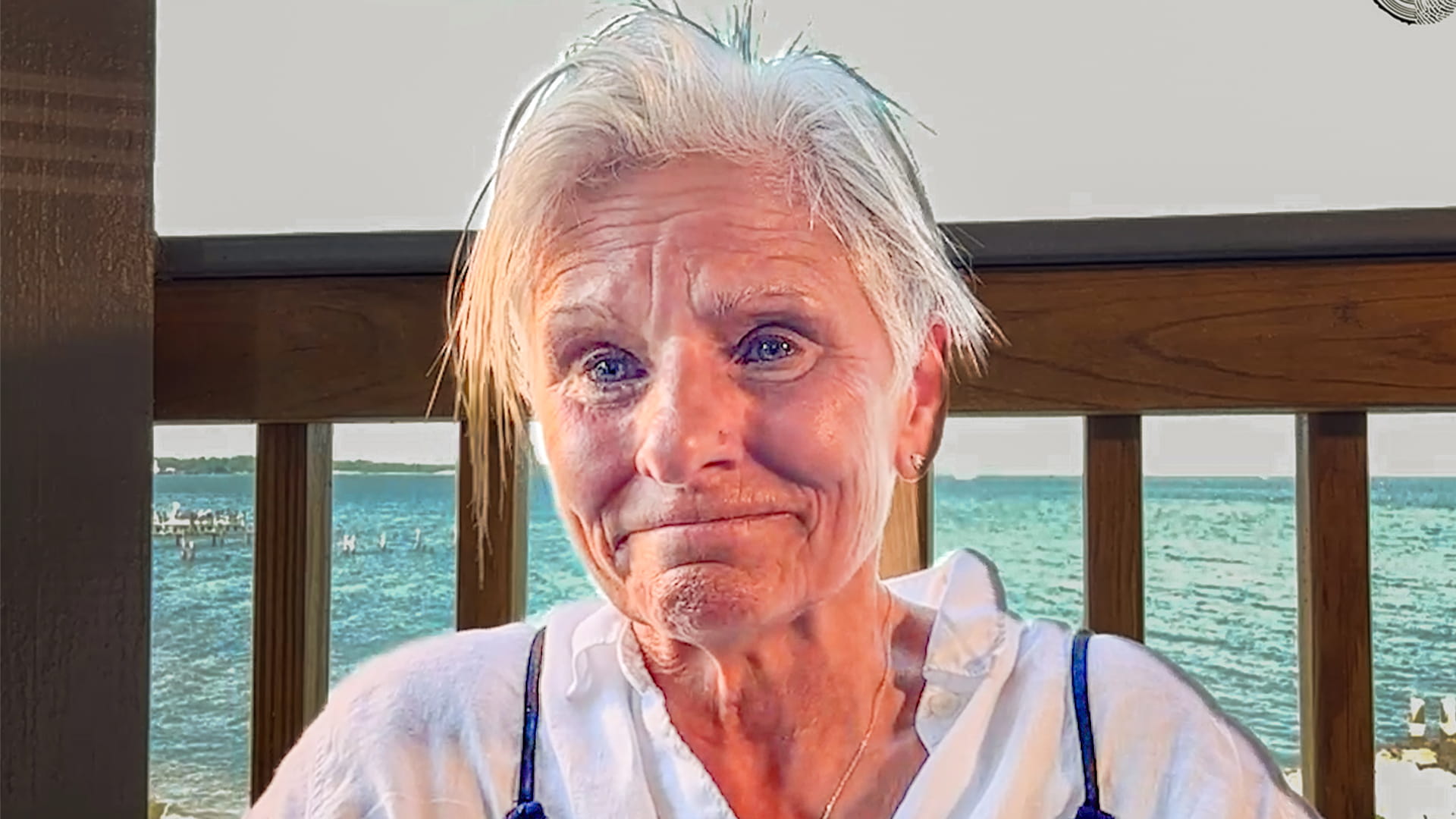
- At 65, after 38 years of sobriety, Linda reflects on her first psychedelic experience and how an intentional psilocybin journey reshaped how she understands herself, her past, and her life. She speaks about releasing long-held anger toward her brother, living without the anxiety she carried for decades, and walking away from her business with a calm she had never known.
In this story, Linda reflects on:
- Her first psychedelic experience after 38 years of sobriety, approached with intention and care
- Releasing anger toward her brother that had quietly shaped her inner life for decades
- Stepping away from her business with a calm and clarity she had never known
- How microdosing supports her ongoing integration, improving sleep, deepening her sense of presence in nature, and helping her process daily life with greater clarity and peace
It changed how I see the world. It changed how I see me.
Watch: Psilocybin After 38 Years Sober: Letting Go of Control and Anxiety
In Linda's Words
What drew you to your first psychedelic experience after nearly four decades of sobriety?
Linda: I had been reading about how psychedelics were being used therapeutically for trauma and PTSD. At first my recovery mindset told me, “You can’t do this, you’re sober.” But the more I learned, the more curious I became. Eventually I realized this wasn’t about escaping anything. It was about understanding myself and my trauma more deeply.
Was there a moment during the journey that changed how you see your past?
Linda: My brother came up during the journey. We hadn’t spoken for 15 years before he died by suicide, and I carried a lot of anger and resentment toward him and my family. Seeing his life differently gave me compassion and forgiveness I didn’t have before. It opened up space in my life that simply wasn’t there before.
What led you to walk away from your business?
Linda: I had raised that business like a child, and I had taken it as far as I could. It wasn’t aligned with who I was anymore. When I made the decision to walk away, a buyer showed up, and the entire process happened with zero anxiety. I sold my business and stepped out of my entire world without a plan, and for the first time, I felt completely calm about it
I sold my business and walked away from my entire world with zero anxiety.
How does microdosing show up in your day-to-day life?
Linda: I sleep better. I’m less hungry, and I naturally want to eat healthier food. It helps me process what’s going on in my head with more clarity. When I microdose, I take the same short walk each day and notice how present I feel with nature. Everything feels more peaceful.
This story was recorded in collaboration with Mycology Psychology. Linda references her personal experience with microdosing as part of her broader integration process.
Supporting Research
Psilocybin and Depression
Psilocybin therapy and depression clinical trials
Psilocybin has been studied in multiple randomized and open-label clinical trials showing rapid and sustained reductions in depressive symptoms, including in major depressive disorder and treatment-resistant depression. These studies often involve one or two dosing sessions with psychological support and report improvements lasting weeks to months. Cambridge University Press
Systematic reviews and meta-analyses of psilocybin for depression
Meta-analyses combining multiple clinical trials suggest psilocybin can produce both short-term and longer-term antidepressant effects compared with traditional treatments, with patients reporting meaningful decreases in symptom severity. Pubmed
Psychedelics and Addiction Recovery
Psilocybin in substance use disorders
A 2025 systematic review identified preliminary clinical evidence that psilocybin-assisted therapy may reduce alcohol and tobacco use and related symptoms when combined with psychotherapy, although larger trials are still needed to confirm these findings. Pubmed
-
Classic psychedelics and addiction treatment research
Reviews of the literature suggest classic psychedelics like psilocybin show potential in supporting addiction recovery processes — for example, reducing heavy drinking days or supporting smoking cessation — though research is still emerging and exploratory. Pubmed
You Are Not Alone
If Linda’s story resonated with you, we invite you to explore more psychedelic experiences or share your own story with Normalize Psychedelics.
About Normalize Psychedelics
Normalize Psychedelics is a nonprofit working to change public understanding of psychedelic medicine by sharing real stories of healing. Through firsthand accounts, we aim to reduce stigma and broaden the conversation around mental health and wellness.
Support Us
MAKE A DONATION
Your donation will help us publish more personal stories involving psychedelics to transform public opinion, reduce stigmas, and redefine wellness. It can also help self lives.